🇯🇵 Japan
🇯🇵 Japan
Japan is probably the safest country in the world for solo female travellers. Lost wallets get returned. Streets are spotless. Trains arrive to the second. The food is extraordinary. And despite the language barrier, people will go out of their way to help you. Japan is proof that solo travel doesn't have to mean roughing it. It can be beautiful, precise, and deeply peaceful.
Tokyo → Hakone → Kyoto → Osaka → Hiroshima → Fukuoka
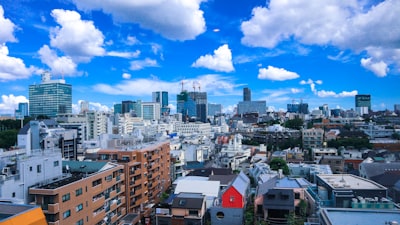
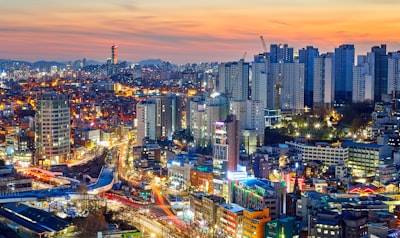
Start with a few days in the world's largest city. Shibuya Crossing, Senso-ji in Asakusa, Shinjuku's neon chaos, Harajuku's fashion, and Shimokitazawa's vintage shops. Solo ramen at an Ichiran counter is a rite of passage. The metro looks complex but Google Maps handles it perfectly. Get a Suica card.
Hot springs town 90 minutes from Tokyo. Stay at a ryokan (traditional inn), soak in onsen baths, eat kaiseki meals. On a clear day, you can see Mount Fuji from the lake. The Hakone Loop (train, cable car, boat, bus) is a perfect solo day trip. Peaceful and beautiful.
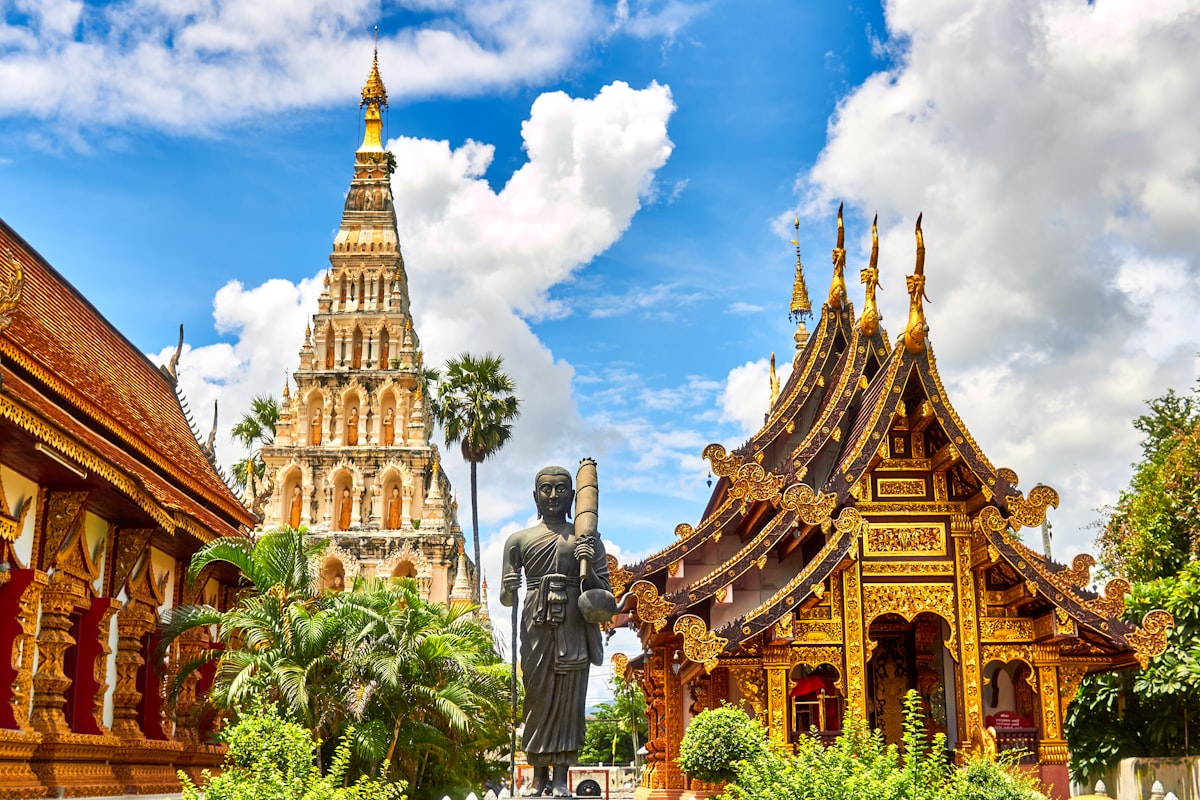
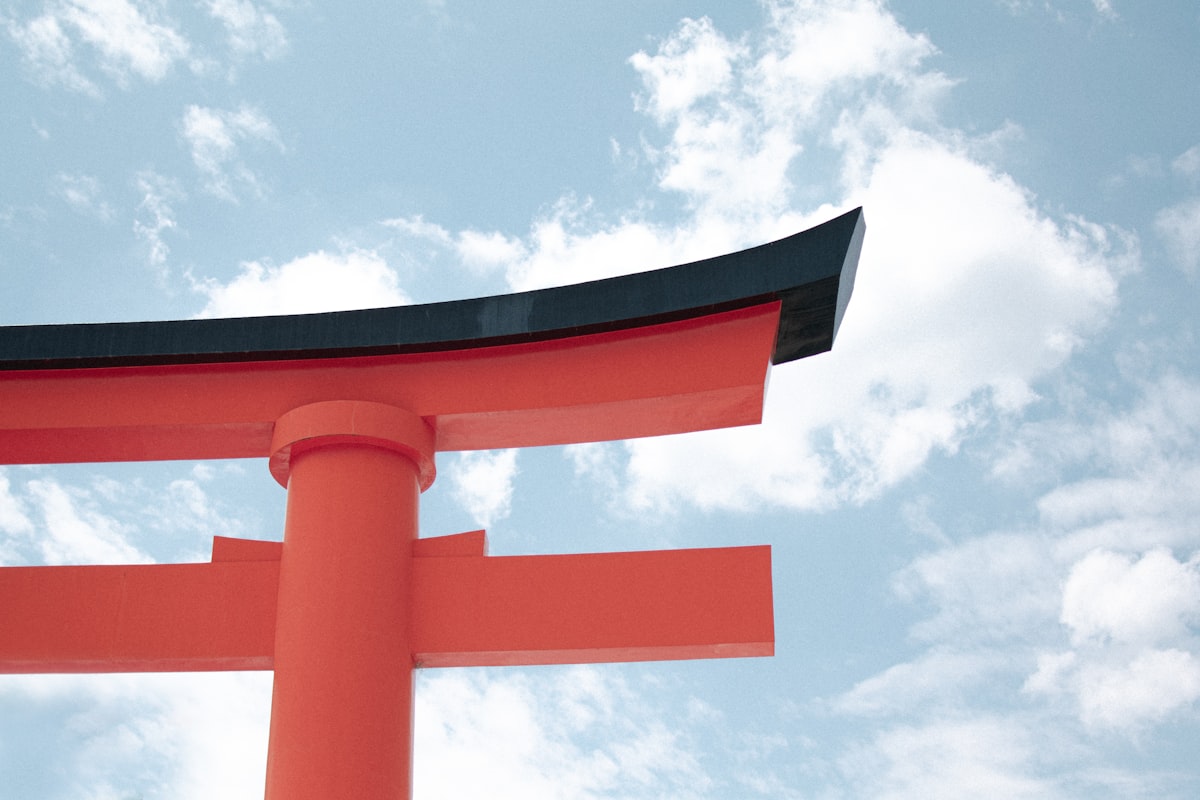
Temples, shrines, bamboo groves, geisha districts. Fushimi Inari (the thousand red torii gates) is iconic. Go at dawn to avoid crowds. Rent a bike and ride through the city. The Philosopher's Path is a perfect solo walk. Kyoto is where Japan feels most like the Japan you imagined before you came.
Japan's food capital. Dotonbori is the neon-lit street food district. Takoyaki (octopus balls) and okonomiyaki (savoury pancakes) are the local specialities. Osaka is louder and more outgoing than Tokyo or Kyoto. The nightlife in Namba is fun. Osaka Castle is worth a visit. Only 15 minutes from Kyoto by train.
The Peace Memorial Park and Museum are profoundly moving. Take the ferry to Miyajima Island to see the floating torii gate and friendly deer. Hiroshima-style okonomiyaki is excellent. The city has rebuilt itself with grace and optimism. Worth at least two days.
Japan's most underrated city. The yatai (street food stalls) along the river at night are magical. Hakata ramen is the local specialty. Canal City for shopping. Ohori Park for a peaceful walk. Fukuoka has a relaxed, southern vibe. A great place to end the trip.
As safe as it gets. Japan has one of the lowest crime rates in the world. Women walk alone at all hours without concern. Trains have women-only carriages during rush hour. Convenience stores are everywhere, well-lit, and open 24/7. If you drop something, someone will likely return it to you.
The only caution is in Kabukicho (Shinjuku's entertainment district) where touts may try to lure you into bars. A firm "no" is enough. Roppongi has a similar reputation. Everywhere else feels completely safe.
The language barrier is real but manageable. Google Translate's camera feature works on signs and menus. Most train stations have English signage. Japanese people are patient and will try to help even without shared language.
📖 Read more: Solo Travel for Women: How to Start (and Stay Safe)
Japan is more introverted than Southeast Asia or Australia, so you won't be swept into a hostel pub crawl on night one. But connections happen differently here: at ramen counters, in onsen towns, on train platforms, and in the quiet moments between temples. Hostels in Tokyo and Osaka are social. Guesthouses in Kyoto tend to have communal spaces where travellers connect.
The "honbap" (solo dining) culture means eating alone is normal and respected. Japan is the rare destination where being alone never feels lonely, because the culture itself is so engaging.
Through Just Gutsy, solo travellers are starting to meet up in Tokyo, an easy way to find your people navigating Japan.
🇯🇵
Just Gutsy is now live. The solo travel app for going alone and finding your people.


Cherry blossom season (late March to mid-April) is magical but crowded and expensive. Autumn colours (November) are equally stunning. May-June and September-October are sweet spots with good weather and manageable crowds. Avoid Golden Week (late April to early May) when the whole country travels.
Budget: $80-120 USD per day. Japan isn't as expensive as people think if you eat at local restaurants, stay in hostels, and use a Japan Rail Pass (currently around $200 for 7 days). Convenience store food (onigiri, bento boxes) is cheap, delicious, and available everywhere.
Pack comfortable walking shoes. You'll walk a lot and take your shoes off frequently (temples, ryokans, some restaurants). Bring a small towel (many bathrooms don't provide them). Cash is still king in many smaller shops. 7-Eleven ATMs accept foreign cards.
📖 Read our full guide: Backpack vs Suitcase for Solo Travel
Now on iOS & Android
Free to download. Meetups around the world. Real people, real trips.
For anyone ready to take the leap.