🏔️ Chile & Argentina
🏔️ Chile & Argentina
Patagonia is for travellers who want something bigger than cities and nightlife. Glaciers, mountain ranges, turquoise lakes, and wind that feels like it's trying to push you off the continent. It's remote, expensive, and requires planning. But if you want a trip that changes how you see yourself, this is it. Solo women trek the W Circuit in Torres del Paine every year. You can too.
Buenos Aires → Puerto Madryn → Ushuaia → Punta Arenas → Puerto Natales → El Calafate → El Chaltén → Bariloche → Pucón → Santiago → San Pedro de Atacama
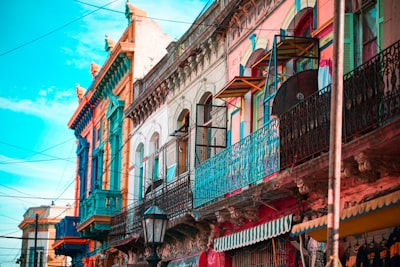
Start here. Argentina's capital is vibrant, chaotic, and full of life. San Telmo for tango and antiques, Palermo for cafes and nightlife, Recoleta for architecture. The steak is as good as they say. A few days to adjust to the time zone and soak up the energy before heading south.
Gateway to Península Valdés, where you can see whales (June to December), penguins, and sea lions. A quieter stop before the deep south. The coast here is wild and beautiful.
The southernmost city on Earth. Tierra del Fuego National Park, the Beagle Channel, and the satisfaction of knowing you made it to the bottom of the map. The end of the world, and the beginning of the Patagonia stretch.
Southernmost city on the continent's mainland. Gateway to Antarctica if you're feeling ambitious. Strong wind. Penguins on nearby Isla Magdalena. A transit point more than a destination, but worth a day.
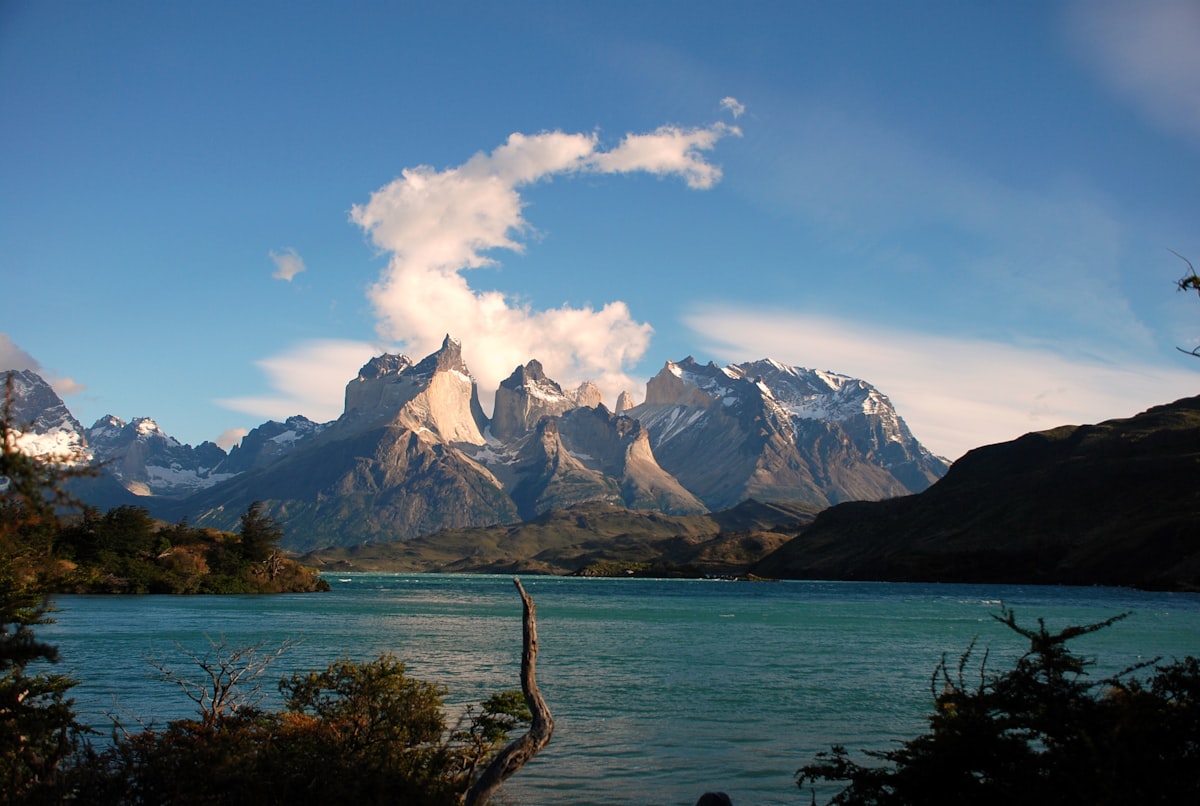
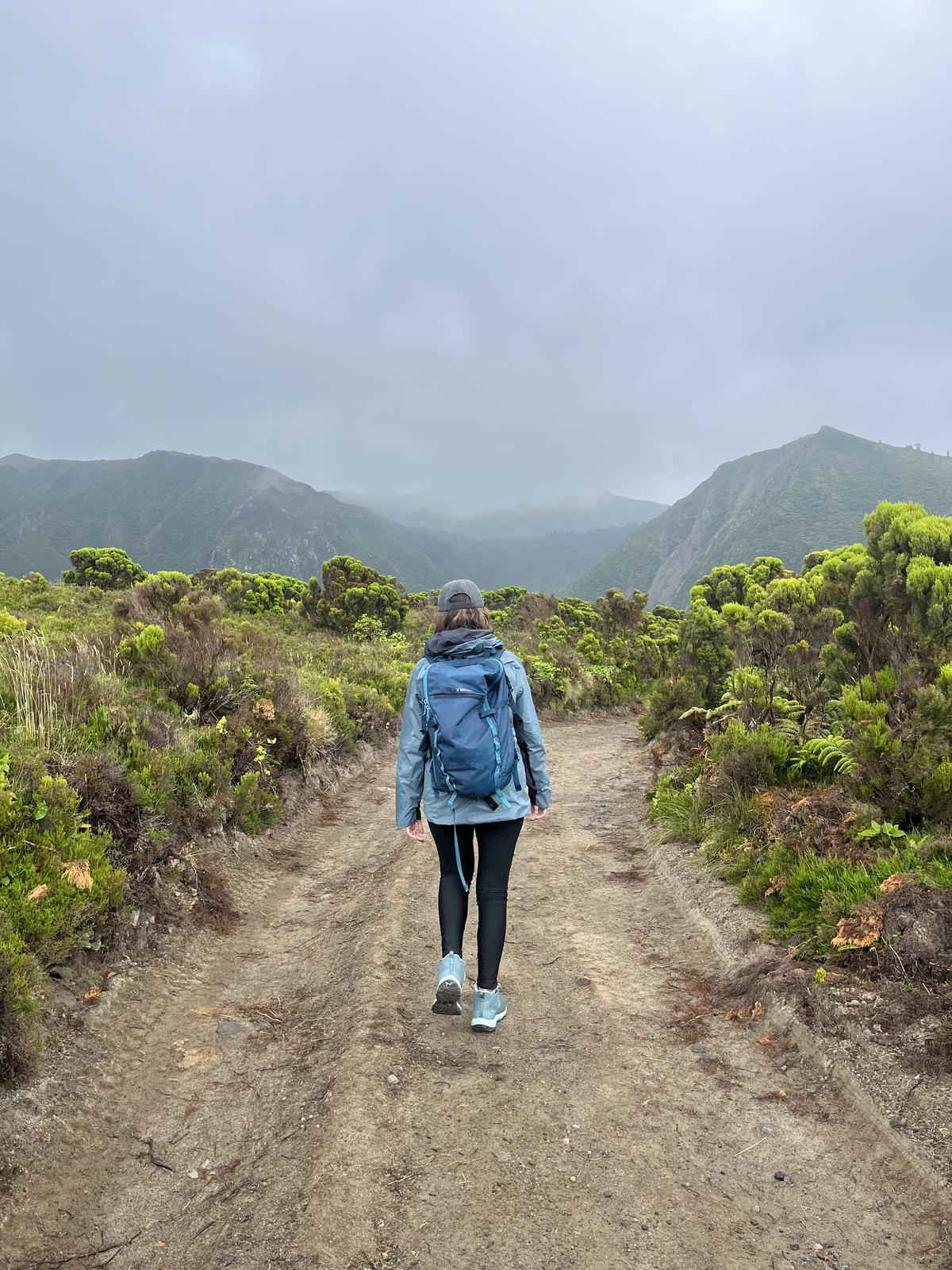
The W Circuit (4-5 days) is the highlight of any Patagonia trip. Book refugios well in advance. The views of the three granite towers are earned through wind, rain, and effort. Solo women do this trek regularly. You'll share refugio dorms with other hikers from around the world.
Gateway to Perito Moreno Glacier. Watching (and hearing) chunks of ice calve into the lake is unforgettable. The town itself is touristy but functional. A day trip to the glacier is enough.
Argentina's trekking capital. The hike to Laguna de los Tres (base of Fitz Roy) is one of the best day hikes on Earth. Free camping is available. The town is small and every single person is there for the same reason: mountains.
Chocolate shops, Swiss-style architecture, and lakes surrounded by mountains. The Circuito Chico is a scenic drive or bike ride. Bariloche is a good place to rest after weeks of trekking. Great craft beer scene.
Adventure town on a lake at the foot of Volcán Villarrica. Hiking, hot springs, kayaking. The volcano climb is challenging but doable. Pucón has a young, outdoorsy vibe with good hostels.
Chile's capital is safe, modern, and has excellent food and wine. Lastarria for cafes, Cerro San Cristóbal for views, Mercado Central for seafood. A day or two before heading north to the desert.
The driest desert on Earth. Salt flats, geysers, stargazing that will ruin every other night sky forever. Valle de la Luna at sunset is otherworldly. A dramatic finish to a big trip.
Yes. Chile and Argentina's Patagonia regions are safe for solo women. The communities are small, outdoors-focused, and full of other travellers. The main risks are weather-related (hypothermia, wind exposure on treks) rather than human. Prepare for conditions, tell someone your plans, and carry proper gear.
Santiago and Buenos Aires (if you fly through) require normal city awareness. See our safety maps for Santiago and Buenos Aires for neighbourhood-level detail.
📖 Read more: Solo Travel for Women: How to Start (and Stay Safe)
The trekking culture creates natural connections. You'll share refugios, trails, and meals with other hikers. El Chaltén's hostels are communal by nature. Bus rides between towns are long, so you'll end up talking to whoever is next to you. Patagonia attracts a slightly older, more experienced solo traveller crowd compared to Southeast Asia.
Through Just Gutsy, solo travellers are starting to meet up in Buenos Aires, an easy way to find your people before or after Patagonia.
🏔️
Just Gutsy is now live. The solo travel app for going alone and finding your people.


November to March (Patagonian summer). December to February is peak. Shoulder months (November, March) have fewer crowds and lower prices but more variable weather. Torres del Paine refugios book out months in advance for December and January. Plan early.
Budget: $60-100 USD per day. Chile is more expensive than most of South America. Argentina fluctuates wildly with the exchange rate (check the blue dollar rate). Refugio stays in Torres del Paine are $50-80 USD per night including meals.
Pack serious layers. A waterproof shell, fleece, merino base layers, good hiking boots (broken in before you go), trekking poles, and a 30-40L day pack. Patagonian wind is no joke. Sunglasses and sunscreen are essential even in cold weather.
📖 Read our full guide: Backpack vs Suitcase for Solo Travel
Now on iOS & Android
Free to download. Meetups around the world. Real people, real trips.
For anyone ready to take the leap.